When I woke up this morning I had no idea that a pop culture apocalypse was about to engulf two entire universes. I got up and went about my routine, checking the box scores from the late game and struggling to achieve the perfect level of toastiness on my bagel, content in the sameness of yet another day. And then, as though Superboy were punching the very walls of reality, a deluge of emails, tweets and CNN Money alerts just about split my brain in two: Disney is buying Marvel Comics.
A lot of comic fans seemed ready to do their best Gwen Stacy impersonation and dive off the nearest bridge, fearing interference from Disney in Marvel’s creative process, but as more information has become available throughout the day about the buyout this has faded a bit. While there are some legitimate concerns about how this will affect both Marvel and Disney, there are also some obvious opportunities, not just on the company side but on the creative side of things as well. As a huge fan of both Marvel and Disney, then, here’s a breakdown of the merger as I see it, with commentary and speculation broken up into three major categories: the Impact on Comics, the Impact on Movies and the Impact on Theme Parks.
Impact on ComicsThe biggest question most comic readers have is, how will this affect the stories themselves? In the past, Disney was not exactly known as being hand-off in their approach to subsidiary companies, and some level of creative control (or interference, depending on your point of view) over Marvel is not an unreasonable expectation.
However, I think that’s the Disney of the past more than a reflection of their current strategy, as shown by their deal with Pixar four years ago. It’s important to note that the impetus behind the acquisition of Pixar was not to implement Disney control over Pixar but the opposite. Recognizing that Pixar had seized the mantle of creativity and innovation away from Disney, Disney decided to merge in order to bring the talent from Pixar over to re-energize Disney. They weren’t trying so sublimate or even co-opt Pixar so much as they were trying on a creative level to become Pixar. And by all accounts, the result for both companies has been very successful.
With this as an example, then, I think it’s fair to assume that like Pixar, Marvel is going to remain a separate brand with a fair amount of artistic license to do their own thing.

That’s not to say, however, that Disney won’t have some influence on what Marvel decides to do. The first concern would have to be the fact that most creators aren’t Marvel employees but rather are freelancers doing contract work for Marvel. In the past, Disney has not always had the best record as an employer, and it’s possible that some creators will shy away from working for Marvel because of this. It’s also possible that creators simply will not want to work for Disney for creative reasons; under Marvel editor-ion-chief Joe Quesada, creators have had a level of freedom that was previously rare in mainstream comics, leading to more mature content. It’s possible that some of these creators will now prefer to work for independent publishers like Dark Horse and Image, or publish under the Vertigo banner at DC, rather than mess around with Disney at all. And issues over creator rights – whether creators should retain rights to characters and ideas they create while doing work-for-hire, an issue that has been contentious in comic circles for decades – may become even more important with Disney now potentially holding the rights to new properties.
Because of these issues, it’s certainly possible that while Disney may not exert any direct influence over the product being created, the mere fact of Disney owning the company could lead to some turnover in the creative teams on the comics themselves. This may not entirely be a negative, either; with Disney and Pixar animators being some of the top cartoonists in the world, it’s possible that some of these artists may begin moving over to Marvel as well, which would be nothing but positive.
Putting creative issues aside for the moment, though, one of the biggest opportunities for Marvel in this deal is the potential for Disney’s unparalleled distribution and promotion systems to introduce Marvel comics to new, worldwide audiences.

Not the characters, mind you, but the comics themselves. If Disney’s marketing machine gets behind Marvel, you could see a resurgence of comics on newsstands and comics could begin to be both available and heavily hyped in other venues like Disney stores, theme parks and other retail venues worldwide. This could potentially be a major game changer for the publishing side of Marvel.
However, it does have some pitfalls, as this is where Disney’s creative control really becomes an issue. Because of the more violent and graphic nature of some of Marvel’s biggest comics, Disney may have some problems promoting these books side-by-side with, for instance, their line of Princess picture books. Figuring out how to maintain Marvel as a separate creative entity while still capitalizing on Disney’s marketing power is going to be a tricky thing.
My guess is that the solution will be increased branding. Marvel has had limited success with branding different lines of comics as separate entities; the Ultimate universe has been fairly successful for a decade, and the Marvel Adventures line of books aimed at younger audiences has been fairly well received, but other brands like MAX and Marvel Knights aren’t necessarily seen as separate lines so much as Parental Advisory labels. DC, on the other hand, has had more success, with Vertigo almost considered a separate company at this point. And Disney themselves have been able to keep their more mature Touchstone and Miramax studio imprints separate from their more family friendly Disney and Pixar releases.
So I think Disney and Marvel will want to take a page from the DC playbook and aggressively brand different lines of comics. The Marvel Adventures line of all-ages books could be expanded significantly, though perhaps with a new brand name that would also allow them to incorporate kid-friendly comics based on Disney properties. Meanwhile, the mainstream Marvel Universe should, in my opinion, become the Vertigo of Marvel. Most of the content in the major Marvel books has become mature to the point of nearly needing a MAX label on it (
Dark Reign: Hawkeye comes to mind) and having such a brand probably wouldn’t adversely affect current readership, as most people who are turned off by this more mature approach to these iconic characters have already quit reading the titles anyway. In sum, then, what I am proposing is basically an all-ages reboot of the Marvel Universe that Disney can aggressively promote, with the current Marvel Universe in effect becoming the Ultimate Universe.
The other issue that this idea brings up is just what Disney is planning to do with the publishing licenses for its own characters. Currently, Boom! Studios is publishing books based on Pixar characters as well as the Muppets, while Gemstone puts out comics based on the regular Disney characters.

Other publishers like Papercutz also have licenses such as the Disney Fairies title that editor-in-chief Jim Salicrup mentioned in my interview with him yesterday. It seems unlikely that Disney will continue to farm out their comics when they have Marvel as an in-house publisher, especially considering Marvel has a significantly larger market share in the comic industry than any of their competitors. I don’t know how this will shake out legally, but it seems likely that Disney will eventually turn over the licenses to Marvel which should mean a much larger line of Disney comics published by Marvel. It’s possible that if this happens, the branding I mentioned above will be unnecessary and Disney will focus on selling these Disney comics through their various marketing arms, but I think that would be leaving a lot of potential growth for Marvel on the table and thus I think it’s unlikely.
Impact on MoviesLike the issue with Disney’s publishing licenses, the impact of this deal on the movie side of things is complicated by the fact that Marvel has signed away the rights to many of their largest properties to other movie companies such as Fox. This means that while film franchises such as Spider-man and X-Men may be mega-hits, they won’t be hits for Disney. In addition, the distribution rights for those films Marvel does still control are tied up with other studios as well, part of the infrastructure Marvel set up when they created their own film company.
However, from what I’ve been reading, neither of these facts are major issues on the Disney side of things. On the contrary, it appears that Disney’s interests here aren’t so much with major franchises such as Fantastic Four but more with lesser known, second tier properties.
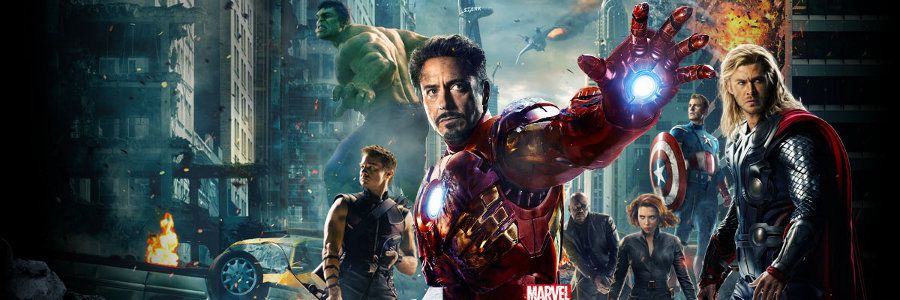
 Iron Man
 proved that even a character that is almost completely unknown outside of comic circles can still become a massive blockbuster if it is done well by people who understand and respect the source material. Because of this, Disney is hoping to recapture this kind of success by leveraging other lesser known characters into major franchises as well.
This is very good news for comic fans for a couple of reasons. One of the major concerns many fans have with this deal in terms of the film rights is how the similar set-up between Warner Brothers Studios and DC Comics has effectively squelched DC’s ability to get movies made with their characters. Because they can’t shop their properties around (Warner Brothers has control because they are both owned by Time/Warner), DC basically is stuck with whatever decisions Warner makes, and that usually has meant obvious hits like
Justice League of America and
Wonder Woman get shitcanned instead of produced.
From the sounds of it, though, Disney and Marvel have quite the opposite in mind. Because Marvel has their own studios, they themselves are in control of what they make and now Disney is coming in and basically saying that they want Marvel to make even more movies, not less. And since Marvel is going to benefit from Disney’s enormous financial backing, they now will have the financial wherewithal to not only make more movies, but make them with budgets large enough to ensure they are up to snuff.
In addition, there is a positive parallel that can be drawn from the DC comparison as well. For years, DC has been more likely to keep struggling series going because they can rely on the larger Time/Warner infrastructure to absorb the losses; this allows them to keep publishing critically acclaimed stuff like
Jonah Hex, in part to help set up potential film tie-ins (and in part because they recoup more in the trade market as well). If Disney does push Marvel to make more films featuring lesser known characters, it’s likely that those characters would not only get their own series in order to help promotion but also that the series, once started, would be more likely to stick around even if sales on the comic itself aren’t good. The result could be an expansion of Marvel’s line in general with a new emphasis on some of the less popular characters that currently get bumped from the schedule to make room for more proven sellers like another Wolverine or Avengers title.
Beyond feature films, of course, there are some other areas where the merger of Marvel and Disney is going to impact things. One bit that has been widely circulated is that Marvel met with Pixar head honcho John Lasseter to discuss how Pixar’s experience with Disney has gone and this discussion turned to the possibility of making some films.

I don’t think it’s likely that Pixar will be making any movies based on Marvel characters (despite the fact that they have already done so in
The Incredibles), but there is a strong possibility we will be getting a slew of new direct-to-video animated movies instead.
Of course, this could be bad, but on the other hand Marvel is already occasionally putting out direct-to-video cartoons anyway; this will simply ensure that they are of high quality. And if you like those cartoons, there’s a good chance you’ll be a getting a lot more of them in the future. There are some negatives, of course. The main question is what audience these movies would be produced for. There is a large, built-in audience for Disney videos, and not just people who were fans of the original
Lion King and want to read the newest sequel. Some families buy Disney videos across the board regardless of the specific content because of the power of the Disney brand. Bringing Marvel into this might open up a huge new stream of revenue as well as a potentially vast new reader base, but it also would necessitate tailoring the movies to that audience rather than to the current comic book readership.
This is the essence of the fear most comic fans have: that they are going to be phased out in favor of a different (and much larger) new readership. I don’t think that’s going to happen entirely, but it wouldn’t surprise me if it were true to a degree and the most likely place for this to occur isn’t in the comics themselves but in the direct-to-video market. If that were to take off enough to start influencing the comics, then there might be an issue, but if so it would be several years down the road.
Impact on Theme ParksOf course, many people’s immediate reaction upon seeing this news was “what’s going to happen with Universal Studios?” As part of their Islands of Adventure theme park, Universal has a Marvel Island, including Spider-man and Hulk rides among others.
Now, chances are that, like the film and licensing deals, Marvel has some sort of long term contract with Universal that allows them to use these characters. Unlike those relationships, however, I suspect that the marriage between Marvel and Universal is going to come to a swift end when (and if) this acquisition from Marvel goes through. It’s true that Disney will probably want to get the characters over to their park as soon as possible, but I think the main impetus is going to come from the Universal side. After all, why would Universal want to be giving free publicity to its main rival?
Because of this, my guess is that the two sides are going to quickly come to some sort of mutual arrangement in the form of a buyout or something and that Marvel Island will soon be a relic of the past.

Now, it’s possible that Universal will hold on to Marvel Island to try and stick it to Disney – I wouldn’t put it past either side in the theme park war – but my gut tells me that one way or another, Marvel’s relationship with Universal will come to an end as soon as this deal is finalized.
So, where are those Marvel characters going to end up? My guess is at the theme park that used to be Disney/MGM Studios. MGM and Disney recently ended their relationship, meaning the park and attractions have been and are being altered to remove the MGM aspect of things. With superhero movies being such major business these days, it makes perfect sense for Marvel Entertainment to step into this gap and provide some of the content for the park. A re-imagined Disney/Marvel Studios would allow them to hype their brand while also bringing in Marvel characters to wander the park and new Marvel themed rides, all within the larger existing structure of the popular Disney Studios theme park.
If this does happen, the ripples will also be felt overseas at the other Disney theme parks. For example, there is a Disney Studios theme park right next to Disneyland Paris, and giving this park a new Marvel twist would make sense as superheroes are now one of the main bits of American culture being sent out to international film audiences. It also opens the doorway for Disney’s merchandising arm to get a foothold in new marketplaces in terms of selling and promoting Marvel characters. Disney theme parks are among the most effective tools Disney has to publicize their characters to foreign audiences who may not be familiar with
The Little Mermaid but who are very familiar with Disney World and Disneyland; adding Marvel to the theme park mix will introduce a huge new demographic to the idea of Marvel characters, which in turn means more fans, more viewers, more readers and, of course, more money for everyone.
ConclusionFrom my point of view as both a Disney and Marvel fan, I think this deal makes sense for both sides. While there are some legitimate concerns about how the merger will affect the creative side of Marvel and some tricky legal questions about how to regain control of certain properties, overall I think the upside significantly outweighs the downside. Having access to Marvel characters helps renew the Disney brand and, like their deal with Pixar, could invigorate the company as new ideas and new creative talent joins the company. Likewise, having the huge marketing and financial might of Disney behind them could allow Marvel to expand their publishing and film concerns while exposing their product to a nearly infinitely larger audience than is currently reading their books. It may not result in the same Marvel we currently have, but it could result in a bigger and ultimately better Marvel and, who knows, maybe even help revive the failing comic industry as a whole.
And just the possibility of that happening is enough for me to give this deal a big thumbs up.

 Welcome to day two of our countdown of the top ten Santa covers in comics history. Yesterday we brought you numbers 6-10, so that can mean only one thing for today -- or five things as the case may be: numbers 1-5. So treat yourself to the merriest of Christma Eves with a stroll down comic book lane with good ol' Santa.
  5) Lobo Paramilitary Christmas Special #1
 4) Giant Superhero Holiday Grab Bag #1
 3) Hulk #378
 2) Peter Parker, Spectacular Spider-man #112
 1) Panic #1