Game Review: Diablo 3

Diablo 3 is out. But is it a game? Or is it the most brilliant money making scam in internet history?

Movie Review: The Avengers

Okay, okay, I posted my Avengers review. Get off my back already, geez.

The Most Important Comic Book You've Never Heard Of

Action Comics #1. Detective Comics #27. Why is All-American Men of War #89 as important as these great comics -- and why have you never heard of it?.

Tales From the Vault: Lois Lane #93

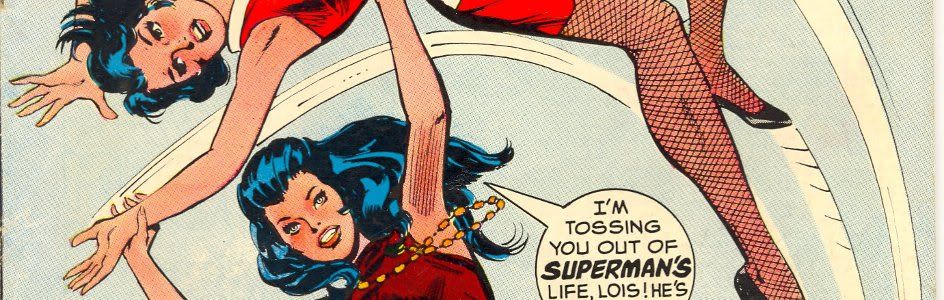
If you thought Superman was a total tool before, you ain't seen nothing yet.

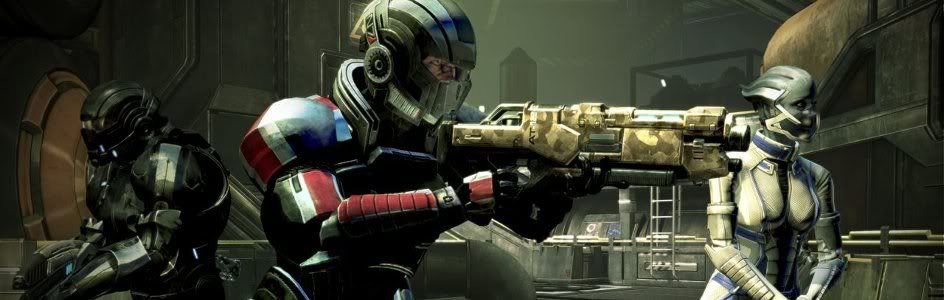
Mass Effect 3: The Official Review

Mass Effect 3 isn't the end of the world, it just portrays it.

Showing posts with label Watchmen. Show all posts

Wednesday, August 25, 2010

The Top 150 DC Covers of All Time: The Top Ten

Welcome back to the Top 150 DC Covers of All Time countdown. If you have any questions about what criteria was used to select the covers, you can read the ground rules here in the countdown Prologue. For a complete listing of selections, check out the Top 150 DC Covers Master List. And as always, I strongly recommend clicking on the covers to see larger, better and more detailed versions of these classic covers.

Now, here it is, at long last: the top ten covers in DC history.


10) Watchmen #1
September, 1986 -- Dave Gibbons

I originally planned to place this cover at number two on this list -- yes, even above the cover that is actually at number two. But then something happened that changed my mind -- I actually looked at this cover again. Not that it isn't a great cover, because it is -- it introduces the great design for Watchmen, with the big bold logo down the side and the iconic smiley face button and it is, of course, expertly rendered by Dave Gibbons in an almost abstract composition. No, the problem wasn't the cover but what the cover isn't -- it isn't this, more famous cover from the Watchmen trade paperback. Which presented two issues for me. Firstly, the TPB cover is much better known simply because far more people have read Watchmen in TPB than in the original comic form; and secondly, the TPB cover is also superior artistically. It's just a masterpiece of minimalist design. So as great as this actual cover for Watchmen is, I couldn't justify it any higher than tenth because it's really just a prototype for the justly revered TPB cover.


9) Justice League of America #21
August, 1963 -- Mike Sekowsky and Murphy Anderson

The first crossover between the Earth-1 Justice League and the Earth-2 Justice Society also provides one of the great covers in DC history, courtesy of Mike Sekowsky and, of course, Murphy Anderson, who seemed to have inked just about every awesome cover DC had during the Silver Age. I love the design of this cover; there's just something fun and almost joyful about the Justice Society coming out of that cloud, even though this issue likely caused thousands of kids to horrify their parents by attempting their own Earth-2 seances. This issue also, of course, was the first of DC's many "crisis" stories, as well as the first in the annual JSA-JLA crossovers, a tradition that would last for over two decades. Just a fun, nostalgic cover for any fan of superhero comics.


8) Justice League #1
May, 1987 -- Kevin Maguire and Terry Austin

Since its publication over twenty years ago, this shot of the JLA looking up at the viewer with folded arms and grumpy expressions has been one of the most homages and parodied covers in all of comics. I would have sworn that this logo wouldn't have worked if I hadn't seen this cover, but the art and the unusual perspective are so powerful that they elevate everything, even that unfortunate font.


7) Crisis on Infinite Earths #7
October, 1985 -- George Perez

Both the DC and Marvel countdowns were filled with Pieta-style covers (such as the famous "Robin Dies at Dawn" Batman cover we looked at last week), but they all pale in comparison to this timeless cover by the master of detail, George Perez. While his covers can occasionally be accused of being too cluttered, this time around he find the perfect balance, mixing the powerful and unforgettable central figure of the weeping Superman holding his slain cousin with the background detail of the gathered heroes of the DCU looking on in mourning. Even that wonky DC 50th Anniversary banner can't detract from this indelible cover.


6) Green Lantern / Green Arrow #76
April, 1970 -- Neal Adams

While the Silver Age belonged to Marvel, in many ways the Bronze Age belonged to DC, as the company pushed the boundaries both in terms of design as well as innovation in storytelling and developing new characters. The DC revival and the Bronze Age in general -- an entire era of comics, really -- is summed up and represented in full by this renowned cover from Neal Adams. If you want to get really deep, the shattering of Green Lantern's lantern symbolizes the way DC itself was smashing their own traditions and cliches to try and form a new paradigm through stories like this one, the first of their "relevancy" comics; a symbolism, by the way, that I think Adams completely intended. Add in the fact that it's just really cool looking; brings back the classic (and much better) Green Lantern logo from the golden age; and features the new Green Arrow in full badass mode and there's no wonder that this is one of the best known comics of the past 40 years.


5) Star Spangled War Stories #138
May, 1968 -- Joe Kubert

I know I've said this before, but this time I'm serious: you have to click on this and see it at a larger resolution. As we've discussed before, War comics aren't exactly the most popular genre these days, so you may not be familiar with this cover; and though it's the first issue of Enemy Ace's ongoing series, to be honest there's not a whole heck of a lot of historical significance to it considering that series lasted less than 15 issues. Here's what is significant: this is probably the best war cover in comics history due to the fact that it's also, in my opinion and the opinion of many others, the best cover Joe Kubert ever did. Considering he's one of the greatest legends in comics history, that's saying something.l But most of all, it's just beautiful in design, detail and execution. Look at it and you'll see why it makes the top five.


4) Superman #14
February, 1942 -- Fred Ray

I've featured this cover before basically just because I wanted to look at it, so everyone pretty much knows how much I love it. It's not just one of the best and most famous war covers to come out of the Golden Age of comics, it's also an enduring and iconic image of Superman, directly associating him with America through the symbolism of the shield and eagle. What's more American than Superman, right? but when this came out, he had only been around for four years. It's covers like this -- or rather, it was this cover -- that really began to seal that link in people's minds. And it just is so damn nice to look at.


3) Batman #9
March, 1942 -- Jack Burnley

What's interesting about this cover is that just about everyone -- not just people in comics, I mean everyone in general -- is familiar with this image, it's just that most people don't know where it came from. Not that this cover has been reproduced all that much in broader media or anything, but the idea of Batman and Robin that people have in their minds was essentially generated here; this image has been so influential that it's become pervasive to the point of almost losing the origin. Basically, this is Batman and Robin. And beyond all that, of course, is the fact that's is a really sharp, effective and beautiful cover in its own right. It's fitting that it goes back to back with Superman #14, because the two covers share a DNA; not the first appearances of the character, maybe, but the genesis of the legends.


2) Detective Comics #27
May, 1939 -- Bob Kane

I actually struggled with the placement of this cover, strange as that sounds. There are so many classic, iconic and awesome Batman covers (as we've seen just over the last two days) that it's hard to pin all the importance on a cover like this one, even if it is his first appearance. On top of that, nearly every element of this cover was swiped by Bob Kane from other sources and sort of stuck together in this (admittedly very effective) pastiche. So I moved it around several times. IN the end, though, despite my reservations, I decided I couldn't justify putting this cover anywhere other than at number two (though if I had decided to make TPB covers eligible, that Watchmen cover might have snuck in). But, here it is, probably right where it belongs after all.


1) Action Comics #1
June, 1938 -- Joe Shuster

Could there ever be any other choice?


Next: What?! Where's All-Star Superman #1?! OMG!!! NOOOOOO!! Okay, calm down, dude. Relax. In a couple days I'll be posting my inevitable follow-up where I explain why stuff like All-Star Superman #1 and Justice League of America #1 didn't make the list and I'll also answer any questions or concerns that have cropped up during the countdown. So if you think I blew anything or left any important covers off, let me know now. Who knows -- I might even change something if you're persuasive enough.


Bookmark and Share

Wednesday, June 16, 2010

June Answers From the Vault part 1

Welcome back to another edition of Answers From the Vault, the semi-regular feature where you ask the questions and we pump your brain full of knowledge until it cries out for mercy. This time around we received such a bounty of questions that we're going to split the answers into two batches. That's going to take up a lot of grey matter, so if you need to subject your mind to gamma radiation in order to absorb these answers, now is your last chance.

Ready? Okay, here we go.


What's the best use of weather in a superhero comic that doesn't involve characters with weather-wielding powers? -- Mark

Thanks for the question, Mark. Boy, that's a really tough one. As you note in your extended version of this question, weather is usually used solely for noir/horror effect (in books like Batman, Daredevil and Tomb of Dracula) or for plot points that involve weather being controlled by people like Thor or Storm and/or by villains intent on destroying Earth through giant tidal waves or whatever. Weather just for the sake of having some variety is extremely rare, which makes you wonder just how sunny the DC and Marvel universes are. Maybe that's why those realities have so many superheroes.

But to answer your question, there are a few nice uses of weather that stand out to me. Mike Grell's Green Arrow was set in Seattle, one of the few DC books to take place in a real city, and he frequently used rain, fog and in the winter months, snow, to give the series a real sense of both place and time that few other superhero books have had. Similarly, on a much smaller scale, one memorable scene for me takes place in Avengers #197, where some boys heave snowballs at Captain America while he is having a heart to heart chat in the garden behind Avengers Mansion; it's a great little throw-away sequence that somehow ended up being more memorable than perhaps all the stories that surrounded it, in large part due to the use of weather.

Still, for my money, there can be only one choice -- Avengers #257. Now, everyone knows I am a huge Avengers fan, and this two part battle against Terminus is the first Avengers story I ever read, so there's certainly some nostalgia involved. But the end of this story still sticks with me: after terminus destroys the weather regulation system that allowed the Savage Land to exist, the Antarctic weather comes raging in, destroying the tropical paradise. In a raging blizzard, the Avengers battle Terminus until all sides are overcome by the elements. Only Hercules is able to stand up to the storm; he destroys Terminus's armor, revealing the immobile alien stuck inside it, and then leaves the beast to freeze to death in the ever growing drifts of snow that cover and finally bury him in a grave of his own making. A great ending to a powerful story. And speaking of Avengers, you had a follow-up question:


And is Avengers 185 the only issue of the run where it's raining on the cover?

Nope, though you're right hat there aren't a lot. But besides the classic Avengers #185, there's an equally awesome if not as famous cover that features rain: Avengers #41. Usually I'm not a huge fan of Buscema's very early covers, as I think his early inking and the printing process at the time often end up muddying the finished product, but that's not an issue for a dark and moody cover like this one. Top work from a master in the making.


Why aren't comics fun anymore? -- Jim

Thanks for the thoughtful question, Jim. For me, there's a pretty basic reason: most comics aren't meant to be fun. And the reason for that, in my opinion, is a residual effect of fans becoming creators back in 70's and 80's.

Sure, there were plenty of fans-turned-writers/editors that still had a lot of fun with their comics, particularly those who both recognized and embraced the more absurd elements of the superhero genre. And some of these stalwarts can still be found today, doing what is now widely called "nostalgia" work, like Kurt Busiek and Mark Waid, for instance. What these guys are nostalgic for, though, isn't a specific time period or status quo, it's a mindset -- the mindset that comics are fun and that anything can happen in them.

But this isn't really the norm anymore, and the reason lies with the more "serious" fans-turned-creators -- the second generation of creators who, determined to prove that superhero comics could be a serious genre that should be taken seriously, decided to deconstruct the fun. Take it apart, prove how ridiculous it all is, dissect the genre like a pre-med student doing a thesis. In other words, take an essentially illogical genre and try to impose logic upon it. The result: grim, gritty, more realistic stories that certainly have been taken more seriously.

But have they been enjoyed as much? Are they fun? Or have have works like Watchmen led to second rate copycat works that just depress and turn off potential readers by draining all the wonder out of the genre? And just look at what DC is trying to do these days and you'll see how the current generation is still missing the mark: they're trying to combine grim and gritty with nostalgia by bringing back all the silver age heroes, but they've missed the boat on just what people are actually nostalgic for.

All of it goes back to the mid-70's, when the fans chafing at the lack of respect comics -- and by extension, they themselves -- had been getting became creators and set out trying to prove the merit of the genre. Well, now they have some of that respect. It just cost everything they loved about comics to begin with.


What happened to that Nagel-print that hung on Peter Parker's wall?

I have to admit I don't know the answer to this, but I have a pretty good guess -- I assume that like everyone else's Nagel prints, it's at a flea market somewhere with a $1 tag taped to it.


Next: A whole batch of questions from a former member of the Marvel Bullpen. I answer them all! That's how this thing works, homeslice.


Bookmark and Share

Tuesday, January 12, 2010

Decade in Review: Conquering Hollywood

Welcome to the latest in our occasional series looking back at the themes, events and personalities that shaped the last decade in comics. Last time we discussed the rise of the event book as the primary mover within the mainstream comic book (and specifically superhero) industry. Today we take a look at a development that has far larger cultural and fiscal ramifications for comics: the conquering of Hollywood.

Movies based on comics books are nothing new, of course; starting in the late 70's, the Superman films remained popular for over a decade. And just when that franchise was wrapping up, the Batman films kicked off. During the 90's, as the Batman line devolved into kitsch, films began mining comics for lesser known properties such as Men in Black. But while comic films were a viable part of the Hollywood strategy, they were just one minor aspect of the industry, barely more than a cultural footnote. Something was missing.

That something, as it turned out, was Marvel. Just as they revolutionized the comic industry in the early 1960's, Marvel helped lead an overhaul not just of the comic adaptation ghetto but of the movie industry in general and pop culture as a whole. Beginning with 2000's X-Men and 2002's Spider-Man, Marvel properties pushed the boundaries of what was possible with comic movies (teams, for instance, rather than just solo heroes) while also redefining the box office; the $403 million brought in by Spider-man was at the time the fifth highest gross in movie history.

Where there's that kind of money, of course, imitators will follow. And while not every comic book movie has been a critical or commercial success (see: Catwoman, Elektra, et al), studios have turned more and more to comics for both big budget superhero franchises as well as smaller budget action adaptations (Wanted, for example).

As the appeal of comic films has broadened, so too has the influence of comic fans increased. Nowhere is this better seen than with the ascension of the San Diego Comic Con, which over the past decade has evolved form a mid-sized gathering of comic fans into the premiere movie event of the year, with studios falling over each other to present bigger and splashier previews of their upcoming sci-fi films and TV shows. If osmehting is a hit at Comic Con, it's likely going to make money at the box office; and if it is a flop, then, lookout below. And with the advent of instant feedback social networks such as Facebook and Twitter, the buzz from Comic Con spreads across the globe instantaneously: two of the biggest hits of the decade, 2008's The Dark Knight and Iron Man, rode massive Comic Con buzz to box office history.

Which makes one aspect of the rise of comic movies somewhat difficult to understand: while the characters and films are more popular than ever, the comic books themselves are selling at an unprecedentedly low rate, with sales continuing to hemorrhage even as potential buyers flock to the megaplex for the latest blockbuster. For whatever reason, widespread popularity and cultural influence have not yet translated into a rise in sales, something that publishers will need to figure out sooner rather than later.

For the time, though, it now seems as though the value of comic books to the publishers lies not in the comics themselves, but rather in the potential marketing opportunities those comics create. Because of this, the popularity of comic book movies has had the strange side effect of actually devaluing the comics themselves and potentially handcuffing creators of properties in development (though this is not always the case; Marvel, for example, allowed Iron Man to be portrayed as a fascist wing-nut in the comics at the same time production on the Iron Man feature film was progressing).

But perhaps because of this dichotomy, publishers are being forced to take drastic measures to protect their new primary source of income, and again, it's Marvel leading the way. The creation of Marvel Studios was one of the biggest gambles in recent Hollywood memory, with Marvel borrowing some $500 million to produce their own films in-house, a move necessitated by the fact that under their old deals for the X-Men and Fantastic Four franchises, they were receiving only a small flat fee and a tiny percentage of earnings, while the studios raked in the money off of their properties (and yes, this can be seen as ironic considering those characters in turn were created on a work for hire basis for Marvel by creators who weren't seeing a dime from Marvel in return). But with their comics sagging, Marvel had few other options, as they needed the revenue streams their characters were generating to stay in house.

In turn, of course, the popularity of Marvel's films convinced Disney that, again, the characters (and not the actual comic books) were now iconic and popular enough to warrant a buyout. It has been widely speculated that Disney's purchase of Marvel won't affect the publishing arm and why should it: after all, in the grand scheme of things, the comics are now little more than an afterthought, a petri dish for the next actionable ideas to come from. What Disney was getting was access to those ideas -- a huge backlog of characters, concepts and properties that, if the last decade is any indicator, may well provide Hollywood with the next massive pop culture hits and worldwide blockbusters. The next big test is coming up in 2012, when The Avengers is scheduled to hit theaters. And if that experiment -- bringing a comic-style shared universe onto the big screen for the first time in movie history -- turns out to be a success, then comic movies and Marvel may just manage to change the way people think of movies and what kinds of stories can be told in film.

And if that happens, then the amazing successes of the last decade will be little more than a prologue to the real show. We hope you like comic movies, because we have a feeling you'll be getting a lot more for a long time to come.


Bookmark and Share

Wednesday, November 18, 2009

Presidents in Comics: The Nixon Effect

Who is the greatest supervillain of them all? Is it Lex Luthor? The Joker? Dr. Doom? The Red Skull? Magneto? The Headmen? The Tetrarchs of Entropy? Turner D. Century? The debate has raged on for decades, but above all of these fictional villains towers an all too real arch-villain on a scale unprecedented in comics: President Richard M. Nixon.

Yes, Richard Nixon, who would, of course, go on to resign in disgrace after Watergate, became a target for comic book writers almost immediately upon his ascension to the presidency. Though the bulk of the attacks didn't get into full force until the Watergate scandal broke, even before that it was clear that the respectful kid gloves usually reserved for treatment of presidents in comics had been set aside. Part of this is due to the changing political climate in the nation, and part of it was due to a more direct source: a changing of the guard in the ranks of comics creators, especially at Marvel. Out were the older generation of creators who had grown up with the industry, right from its World War II roots, and in was a new generation of post-war creators who had grown up on both comics and distrust of the government. This new generation of writers and artists, including those with noted political stances such as Gerber and Englehart, were quick to seize on Nixon as a foil -- a decision that forever altered the way presidents were depicted in comics.

Things didn't start too badly for the president, of course. One of his earlier appearances, in 1970's Fantastic Four #103, was of the more traditional variety, with Nixon calling upon the FF to save New York from an Atlantean invasion (though even here, Stan did manage to slip in a little snipe about the direction of the Vietnam War). And this sort of thing also took place over in staid DC titles like World's Finest, where Nixon appeared in the usual presidential cameo role.

The tide was turning, though, something that can be seen in comics like Incredible Hulk #139. As we saw yesterday, a few years earlier Nixon's predecessor, Lyndon Johnson, had also dealt with the Hulk in Tales to Astonish #88, seeing right to the heart of the tragic beast and giving Banner a full pardon. Not so much with Nixon; in #139, Nixon prevaricates while discussing options with General Ross and finally decides to delegate authority to his hand-picked liaison Spiro Agnew. That, as history has shown, was usually not a good idea and the predictable ensued.

Thus the long-standing principle of always having the president be an honorable, upstanding guest-star was slowly being chipped away at. Gone were the days of "If I can't trust the president of the United States, who can I trust?" and in were the days of sidelong, if still not too pointed, political commentary. In Fantastic Four #123, for example, Nixon (who even lands a guest spot on the cover) debates whether or not to turn matters over to the Fantastic Four, worrying that he "has an election coming up". And even more subtly, Jack Kirby drew a small bit of Republican ire when he supposedly modeled one of the kids in Jimmy Olsen's Newsboy Legion strip on Tricky Dick. Hell, even Richie Rich got involved, using Nixon as a lab assistant named, for no apparent reason, after the band Uriah Heep.

But then Watergate hit and all bets were off. Jabs and snide remarks weren't enough anymore; with righteous indignation, the comic world began really venting its anger on Nixon. DC, for its part, was still fairly mild, simply going with items like a caricature of Nixon on the cover of From Beyond the Unknown #17 where aliens decide that Earth must be a myth because any planet that would have Richard Nixon as its leader is "scientifically impossible!"

Marvel, though, was pulling no punches. Steve Gerber, who would go on to create the politically savvy comic icon Howard the Duck, immediately cast Nixon as the villain in the infamously titled Giant-Size Man-Thing #1. In this story, Nixon appears as the leader of a cult of entropy; wearing a hood and spouting nihilist slogans, Nixon (who is known among his disciples as Yagzan) tries to bring about the end of, well, whatever is supposed to end; that's how entropy works I guess. Luckily Man-Thing is around to save the world, even if real-life America wasn't so lucky.

But the most famous Nixon story of all time, and one of the most infamous storylines in Marvel history, has to be the Secret Empire story that ran from Captain America #169-176. In events specifically designed to parallel Watergate, Captain America uncovers a vast conspiracy by a shadowy organization called the Secret Empire. Following the paper trail, he discovers that this plot to covertly control America leads right into the White House itself and in the #175 he is shocked to find that the leader of the Secret Empire is none other than President Richard Nixon.

Confronted with evidence of his misdeeds, and faced with America's fighting legend himself, Captain America, Nixon does the only thing that he can do: he commits suicide in front of the shocked hero. The entire episode leads to Cap questioning both America and his role in the nation and results in Steve Rogers deciding to quit as Captain America because he no longer believes in the government.

Eventually, of course, he decides that he does not represent the American government, but instead the American dream, something that is stronger than any one politician, no matter how corrupt. This was a defining storyline in the history of the character, as it crafted a specific new role for Cap that he has maintained to this day, showing how the character can still be viable in a nation that no longer trusts its own government. Because of that, it remains perhaps the quintessential Captain America storyline of all time, which means that in the end, Nixon's presidency ended up getting at least one thing right.

Finally, I would be remiss if I didn't also briefly mention the other most famous Nixon story in comics, which was printed over a decade after the president left office: Watchmen. Everything in the story is informed by the Nixon years, as it takes place in a world where Nixon not only never stepped down, but was in fact re-elected several times, becomes a de facto president for life. Alan Moore and partner Dave Gibbons were commenting on the Reagan era as much as on Nixon, but the images of Nixon calmly discussing how much of the nation was an acceptable loss in case of a nuclear strike is still among the most indelible graphics from that most famous of comics.


Once that cat was out of the bag, of course, it was impossible to put back in. Nixon had changed the way presidents were treated in comics; instead of across-the-board respect, individual presidents were now treated as just that: individuals, to be lauded or ridiculed based on both their actions and the political leanings of the creative team depicting them.

Tomorrow: We'll be looking at the biggest target this side of Nixon, Ronald Reagan, as we look at how the new rules established in the 70's paved the way for one lampoon after another in the 80's. Featuring, of course, the famous "Reagan literally turns into a giant snake" story. Be there!


Bookmark and Share

Tuesday, September 29, 2009

In Defense of Fanboys

Fanboy. It's the dirtiest word in comics. Spend a little time on any comic book forum or website and you're bound to see it sooner or later, hurled as a dismissive insult by those who see themselves as above the fray. "Dude, you're taking things too seriously", these missives usually start, "stop being such a fanboy." The implications and definitions are clear: fanboys are deluded nerds who spend their time debating whether Superman could lift Thor's hammer, while the enlightened comic cognoscenti are worried about loftier ideals such as structure, tone, characterization. You know, the art form. In other words, stuff that faboys wouldn't understand.

Well, I'm here to say that not only should fanboys be respected, they should be both nurtured and courted. Because there's nothing as important to the future of comics as the fanboy.

In order to understand why the fanboy is so important to the future, though, we first need to understand how fanboys were regarded in the past. How did we get here? Once upon a time, strange is it may be to consider now, the fanboy stood at the pinnacle of the comic industry. Perhaps no fanboy has been as renowned or influential as Roy Thomas, who was emblematic of a whole movement of fanboys: the second generation of comic creators, those who grew up reading comics and wanting to write and draw comics from childhood. Thomas, in fact, got his start in comics thanks to being a fanboy; his work on the underground fanzine Alter-Ego became a focal point for the comic community and led to his eventual career at Marvel. Fanboys had taken over the industry.

And then something happened -- something called Watchmen. With a more cynical era came a more cynical view of comics; they were deconstructed and dismantled and while it led to some amazing and mature stories, it also led to some disillusionment for fans. It was no longer cool to just have fun reading superhero comics, because the emperor had no clothes. And this feeling -- that the hobby had been revealed as being, well, juvenile -- was only exacerbated by the exploitation of the fanbase by comic companies in the mid-90's that nearly led the to collapse of the entire industry. Gimmicks, holograms, variants and the speculation bubble was pushed along with shoddy art and half-assed storytelling in an attempt to turn a quick buck and the result was the mass exodus of fans who had been hit with this one-two-punch. The fanboy was gone and so was the money and the sales figures.

Which brings us to today and to a whole new generation of creators who have followed in the footsteps of Roy Thomas. Only, this new generation are the readers who grew up with Watchmen and lived through the deconstruction. Like scarred survivors of some pulp art holocaust, today's band of new fans and new creators live with a post-modern kind of post traumatic stress disorder. Everyone's versed in every aspect of the medium and the genre; they've read Understanding Comics and The Dark Knight Returns and the eat up Warren Ellis' blog posts and creator and reader alike foster a sort of hipster detachment. Characters and genre conventions are just pieces to be pushed around the game board, because we all know the rules now. We're in on the joke, and anyone who isn't in on the joke is the joke; we're smarter and cooler than they are because we care about the craft, we don't let ourselves get emotionally invested in kiddie stuff and they do.

In other words: they're just fanboys.

The mistake in this line of thinking is that it refuses to consider the idea that someone who has an emotional investment in a work can also apply critical thinking to it. You're either a fan or you're a critic, this line of reasoning states, and you can't be both at once. Well, that's just wrong. People who are fans of a series or character or story can also apply critical thinking to it. Being a good story and being an enjoyable story aren't necessarily the same thing. There are plenty of comics that I enjoy for personal reasons that I think objectively aren't good; and on the flip side, there are plenty of powerful, well made comics that I don't actually like. The idea that being a fan of a comic prevents you from applying objective criticism to it is patently absurd. Being a fan -- understanding how and why a character or a series has been successful in the past -- doesn't lead a reader to being less critical in their approach to reading comics, but rather to being more critical. Indeed, when Alter-Ego came out back in the 60's it wasn't remarkable because it about comics, but because it treated comics seriously and applied critical thinking to reviewing them. The wave of fanboys that became creators in the late 60's and early 70's were brought in by the big companies precisely because they had been doing this sort of critical thinking on the genre and the form. In other words, fanboys and objective criticism weren't mutually exclusive, because the fanboys were the critics.

Even if none of this were true, however, fanboys would be deserving of respect anyone for a simple reason: we need them. Comics need them. Comic book creators need them. Comic book publishers need them. Since the comic first debuted, fanboys have been the lifeblood of the business. The bond that forms between a fan and the characters and series that they love is one of the main things that keeps bringing people back, keeps filling stores and shows and keeps sales up to the point where the publishers can keep putting out new stories. It's a beautiful thing, really, this fandom. In a media savvy world, where everyone is aware of all the behind the scenes tricks, the fact that a reader can still allow themselves to be emotionally invested in the lives of a bunch of drawings is magic. Maybe that magic is gone for you and for me, but for those who still allow themselves this suspension of disbelief -- this willful innocence -- it's wonderful thing that we should praise, not mock. Because when the fanboy disappears, comics will disappear with them.

So think about this next time you call someone a fanboy, or the next time someone calls you a fanboy. And when they tell you that you're taking these comics too seriously, answer this: you can take yourself too seriously, but you can never be too serious about your comics.


Bookmark and Share